Email Us - reception@greenwaymedicalcentre.com.au
Immune Response Modifiers
Advanced Therapy for Superficial Skin Lesions
Immune response modifiers are a pioneering treatment designed to tackle superficial Basal Cell Carcinomas and Actinic Keratoses.
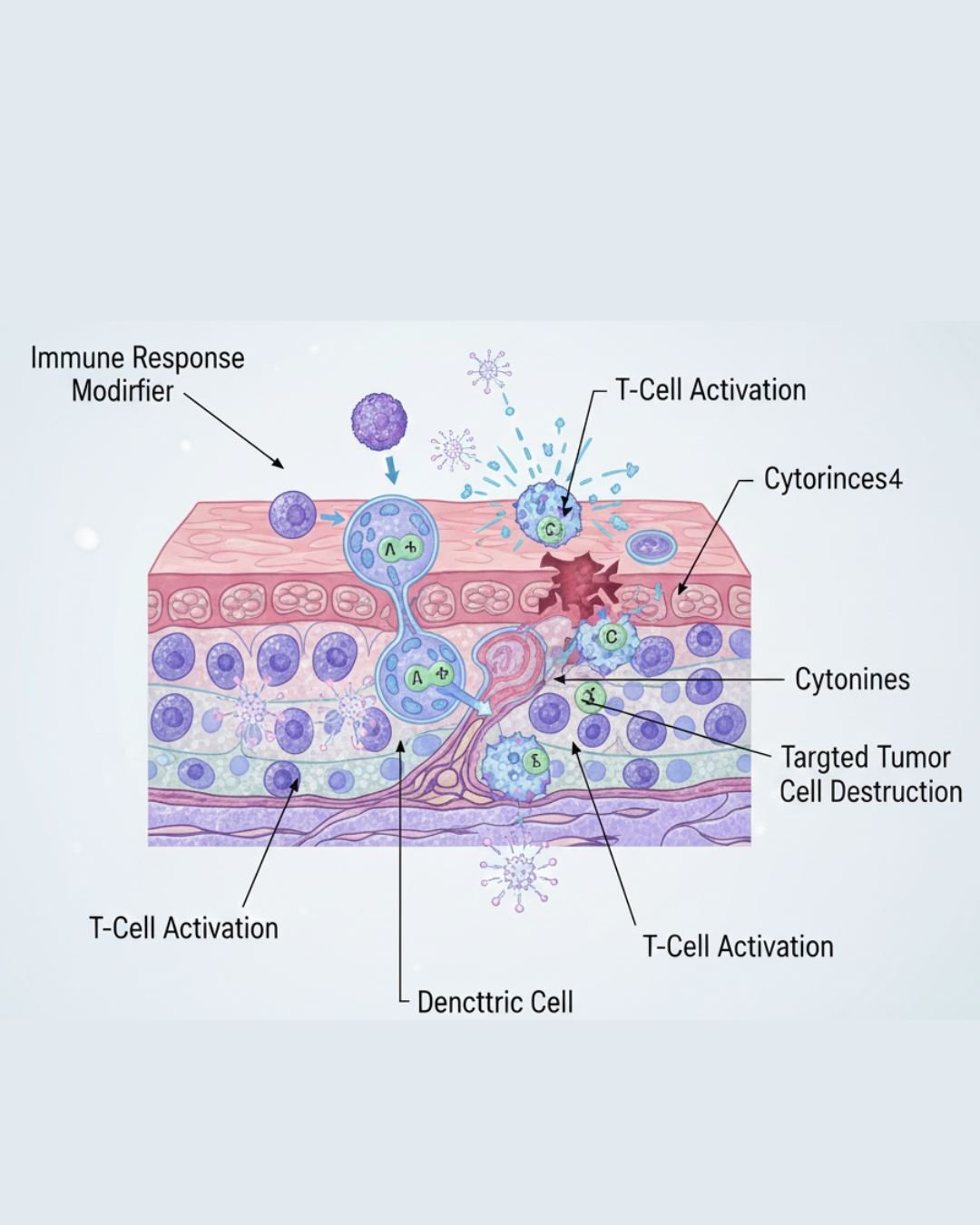
At Canberra Skin Cancer Clinic, these innovative formulations work by stimulating the body’s own immune system to target abnormal or pre-cancerous cells while preserving healthy tissue. Applied nightly over two to six weeks, this therapy addresses both visible and hidden lesions, providing a thorough and effective treatment approach.
Contact us to schedule your Treatment today!
Book Your AppointmentTargeted Immune Activation
These treatments harness the power of your immune system to selectively eliminate abnormal cells. By activating local immune responses, the therapy ensures precise targeting of superficial cancerous or pre-cancerous lesions.
Even subclinical lesions, which may not be visible to the naked eye, can be addressed with this method, improving overall treatment outcomes and reducing the risk of recurrence.


Safe & Well-Tolerated
Immune response modifiers have a favorable safety profile, making them suitable for a wide range of patients. When administered under professional supervision, side effects are typically mild and manageable.
Some patients may notice temporary redness, irritation, or minor ulcerations at the treatment site, a normal part of the therapeutic process that signals active lesion targeting and immune engagement.
Healing & Follow-Up Care
Following the treatment course, the skin undergoes a natural healing process, restoring healthy tissue in the treated areas. Regular follow-ups with our dermatologists ensure that all lesions have responded effectively to therapy.
Personalized guidance is provided to monitor recovery, manage minor side effects, and maintain long-term skin health. This collaborative approach ensures both safety and optimal cosmetic outcomes.