
Skin cancer is one of the few cancers that is largely visible on the body, yet it remains one of the most frequently overlooked. People often assume they will notice something alarming when skin cancer begins to develop — a painful spot, a dramatic change, or a bleeding lesion. In reality, most skin cancers start quietly. They may appear as a tiny mark, a subtle change in an existing mole, or a small patch of skin that simply doesn’t look quite right. These early hints are easy to miss without a professional skin examination.
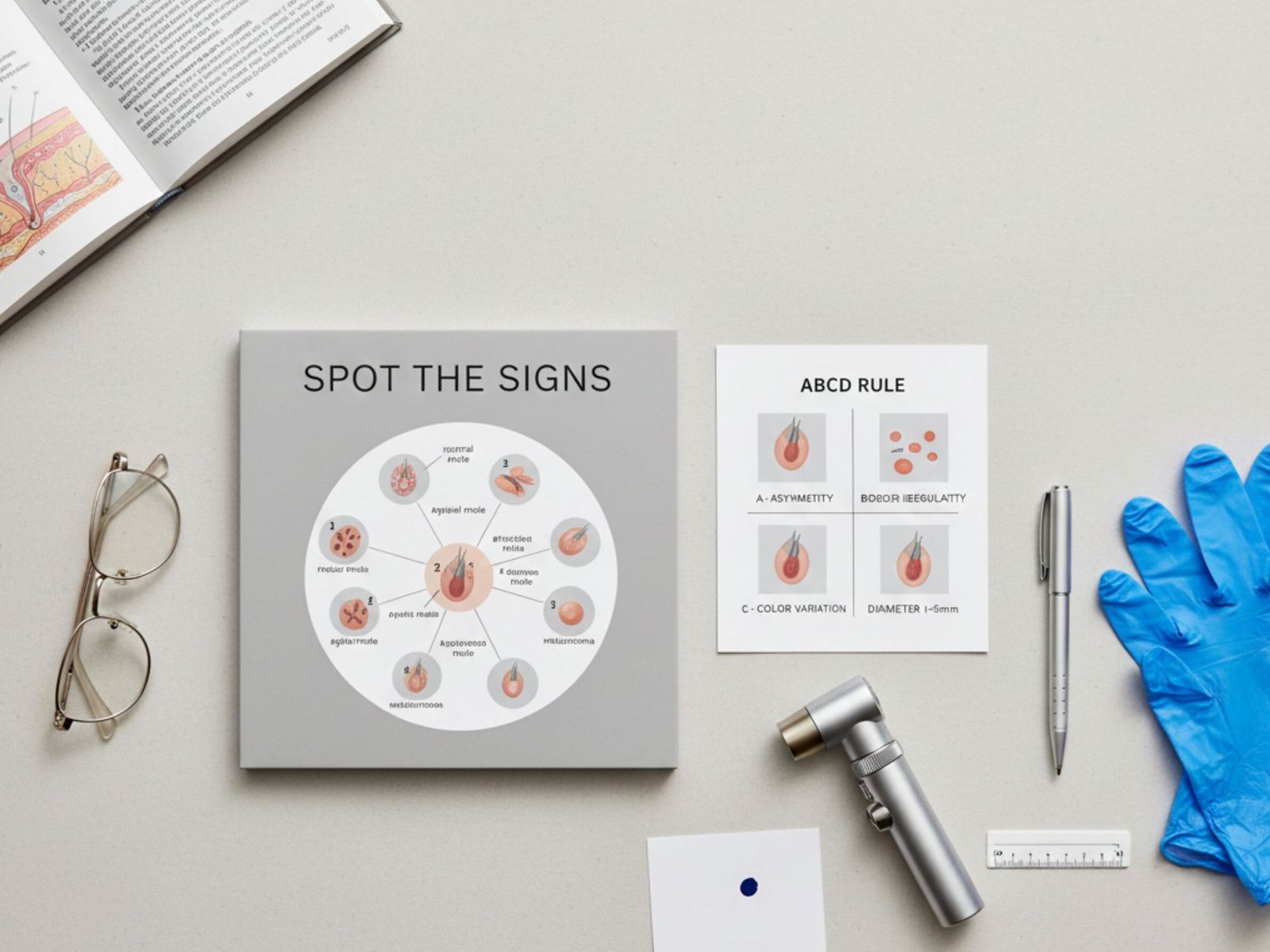
This is precisely why timely skin checks matter. Skin cancer can affect anyone, regardless of age, skin type, or lifestyle. Sun exposure, genetics, and environmental factors can all contribute, and many individuals at risk do not recognise the warning signs. Early detection drastically improves treatment outcomes and often prevents the need for more invasive procedures. Delaying a skin check not only increases risk — it removes the opportunity to catch something small before it becomes a far more serious concern.
Also Read: Skin Cancer Spot Checks: Don’t Wait for Symptoms to Appear
Skin Cancer Is More Common Than Most People Realise
The rates of skin cancer continue to rise globally, particularly in regions with strong ultraviolet exposure. While fair-skinned individuals are at higher risk, no skin type is completely protected. Even people who tan easily or have darker complexions can develop skin cancer, and the disease does not discriminate by gender or age.
Medical studies consistently show that many skin cancers are found incidentally during routine examinations, not because the patient noticed an obvious problem. This means a significant number of cases would have gone unnoticed without a professional assessment.
Why Early Detection Makes All the Difference
Skin cancer behaves differently from many internal cancers. When identified early, most forms of skin cancer can be removed quickly and effectively, often with minimal scarring and very low recurrence rates. Delayed detection, however, can allow cancer cells to grow deeper into the skin or spread to nearby tissues.
The advantage of early detection includes:
- Simpler treatment with fewer complications
- Smaller surgical areas result in more natural cosmetic outcomes
- Lower likelihood of recurrence
- Reduced medical costs over time
- A significantly higher chance of a complete cure
Once melanoma or advanced squamous cell carcinoma begins to spread, treatment becomes far more complex, and the risks increase.
Most Early Skin Cancers Don’t Hurt or Bleed
A common misconception is that skin cancer will announce itself through discomfort. In truth, many patients report feeling nothing at all. The absence of pain does not mean a spot is harmless.
Early warning signs can include:
- A new spot that stands out from the rest
- A mole that has changed gradually over several months
- A small, rough or scaly patch
- A bump or lesion that slowly enlarges
- A persistent sore that heals and reappears
These signs are subtle. The changes often unfold slowly, making them easy to dismiss or overlook during daily routines.
What a Professional Skin Check Actually Involves
A professional skin check is a structured, medically guided examination of the skin, carried out by a trained clinician. Its goal is to identify lesions that may require monitoring, treatment, or further investigation.
A typical skin check includes:
A detailed discussion
Your specialist reviews your concerns, your medical history, your level of sun exposure, and any previous skin issues. This context is crucial for identifying personal risk factors.
A thorough visual examination
Using proper lighting and clinical assessment techniques, the specialist examines the skin from head to toe or focuses on specific areas, depending on the type of appointment.
Dermatoscopic imaging
A dermatoscope magnifies the skin and reveals structural patterns beneath the surface that are not visible without professional equipment. This tool significantly increases the accuracy of diagnosis.
Clear explanation and recommendations
Once the examination is complete, you receive a detailed explanation of the findings and advice on whether monitoring, treatment, or biopsy is required.
A skin check is non-invasive, takes a relatively short amount of time, and provides clarity that self-inspection cannot match.
Who Should Prioritise Regular Skin Checks?
Skin cancer can affect anyone, but some individuals face a higher risk, including those who:
- Have a history of frequent sunburns
- Spend long hours outdoors for work or recreation
- Use tanning beds
- Have many moles or freckles
- Have fair skin, light eyes, or red or blonde hair
- Have a family history of melanoma
- Have had skin cancer in the past
- Notice new or changing spots on their body
Even if none of these apply to you, a skin check remains important. Many people who develop skin cancer have no known risk factors.
Also Read: Skin Cancer Spot Checks: Don’t Wait for Symptoms to Appear
Prevention Begins With Awareness
Daily habits play a crucial role in protecting your skin. Consistent sunscreen use, protective clothing, and avoiding excessive midday sun exposure all contribute to reducing risk. However, prevention doesn’t end with sun protection — it continues with routine monitoring.
Learning how to examine your own skin at home is useful, but self-checks cannot replace professional evaluation. A trained specialist sees patterns and early signs that are nearly impossible to identify without clinical experience.
The Cost of Waiting
One of the greatest challenges in skin cancer care is delayed action. People often postpone skin checks because they assume their concerns are minor or because everyday responsibilities take priority. Unfortunately, skin cancer does not slow down to wait for a convenient time.
A lesion that is small today may require minimal treatment. Several months later, the same lesion could demand a more complex procedure or carry a higher risk of spread. The difference between early and late detection can be significant — both medically and emotionally.
Your Skin Tells a Story; Let a Specialist Help You Read It
A skin check offers more than a diagnosis. It provides clarity, reassurance, and a professional perspective that patients cannot achieve on their own. Clinics dedicated to skin cancer care are trained to detect issues early, explain findings in clear language, and guide you through the next steps.
Whether you have a specific concern or simply want to understand your skin better, the most important decision is not to delay. Skin cancer detected early is usually straightforward to treat. Skin cancer found late can become life-threatening.
The safest approach is simple: make skin checks a routine part of your health care, just like dental visits or general health screenings.
Final Thought
Skin cancer can happen to anyone, regardless of age or background. The earlier it is found, the better the outcome. A professional skin check takes only a small amount of time, yet it can protect your long-term health in ways that are truly significant.
Putting off a skin check allows uncertainty to grow. Prioritising one puts your health first.
If there is one message worth holding onto, it is this: don’t wait. Your skin deserves attention today, not tomorrow.
