A referral to a skin specialist is an important step in protecting your skin health. For many people, this moment comes after noticing a mole that looks different, a spot that hasn’t healed, or a patch of skin that has slowly changed over time. Whatever the reason, a referral is a proactive decision aimed at gaining a clearer understanding of what is happening beneath the surface. When it comes to skin cancer and serious skin conditions, early assessment and intervention make a significant difference.
To help you feel prepared and informed, here is a detailed look at what typically happens once you arrive at our clinic.
A Comprehensive Discussion About Your Concerns
Your appointment begins with a thorough conversation. This is not rushed; it is an essential part of the process. The specialist will ask questions to build a clear background of your skin history and the issue that led to your referral. You may be asked about:
- When you first noticed the change
- Whether the spot has grown, darkened, or taken on an irregular shape
- Any discomfort, such as itching, bleeding, or irritation
- Your previous skin issues or past treatments
- Your family history of skin cancer or significant skin diseases
- How much sun exposure you typically get, and whether you use protection
This information helps us understand your individual risk factors and gives important context to what we are about to examine.
Also Read: Skin Cancer Diagnosis
A Detailed Clinical Examination
Once the discussion is complete, the specialist performs a skin examination. Depending on your situation, this may be focused on one area or may involve a full-body skin check. Many patients are surprised to learn that skin cancers can appear in places that seem unrelated to their concerns. For this reason, a broader assessment ensures that nothing is missed.
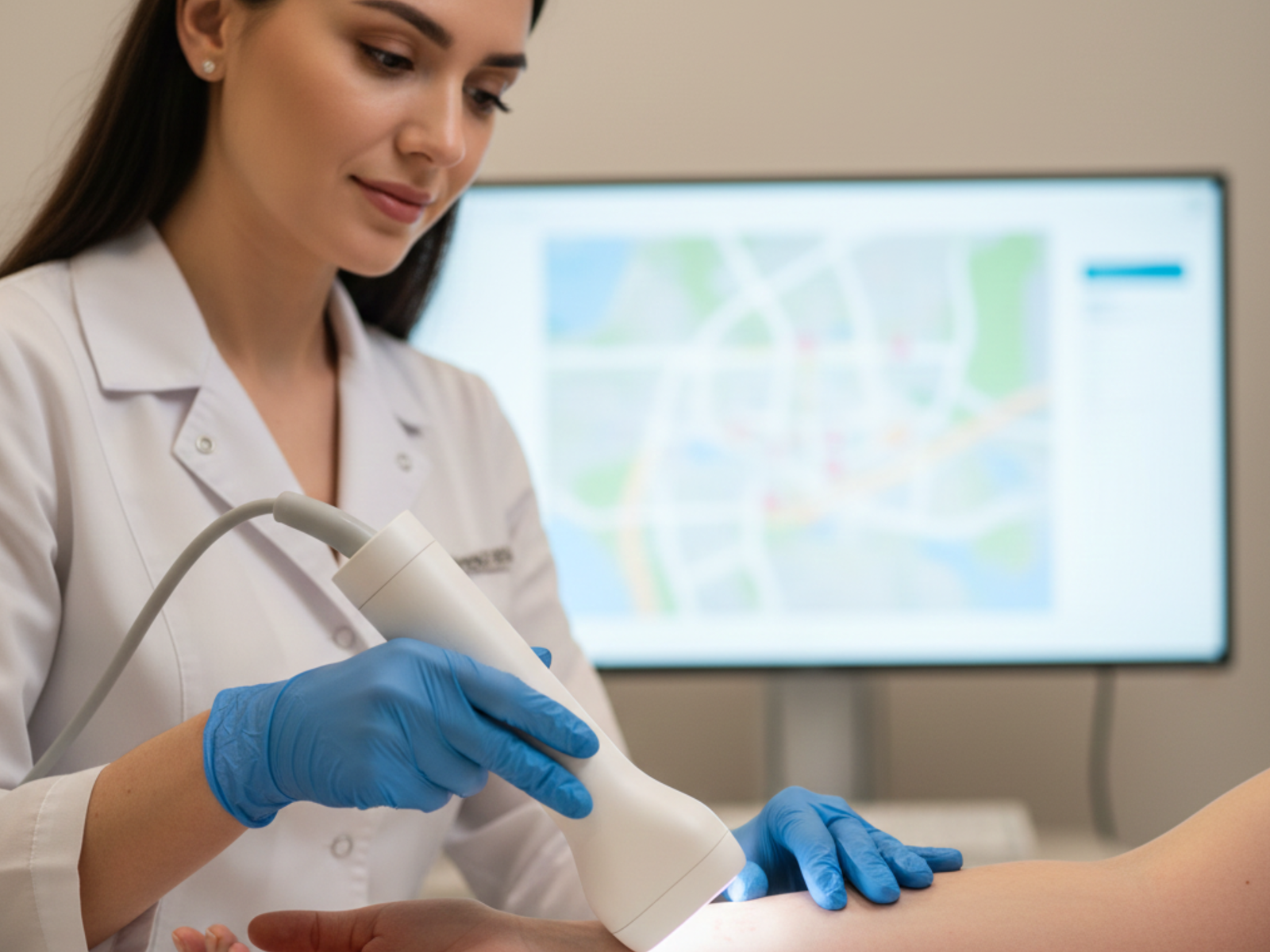
During the examination, proper lighting, magnification equipment, and dermatology tools are used to observe your skin closely. The process is handled with care and with great attention to detail, ensuring accuracy while prioritising your comfort.
Dermatoscopy: A Closer Look Beneath the Skin
Dermatoscopy is an advanced technique used to view structures under the skin’s surface that are not visible to the naked eye. The specialist uses a dermatoscope, a medical device that illuminates and magnifies the area of concern.
This tool allows us to analyse:
- Pigment patterns
- Vascular structures
- Border irregularities
- Subtle changes within a mole or lesion
Dermatoscopy is painless and quick, but enormously valuable. It increases diagnostic accuracy and helps determine whether a spot is harmless, needs monitoring, or requires further investigation.
Clear Explanation of What We Find
After the examination and dermatoscopic assessment, the specialist will explain the findings in clear, straightforward language. This is one of the most important steps in your visit. You will be informed if:
- The area appears completely normal
- The spot looks benign, but should be monitored
- There are warning signs that require further testing
- A biopsy or removal is advisable
If images were taken, we may show them to help you understand what was observed. Our goal is always to ensure that you leave the clinic with clarity, not uncertainty.
Recommended Steps Based on Your Results
Every patient’s situation is different. Based on the findings, you may be recommended one or more of the following:
Routine Monitoring
Some moles or lesions do not pose immediate concern but should be reviewed again in the future. In such cases, we schedule follow-up visits to track any changes.
Imaging and Mole Mapping
For patients with multiple moles or higher risk factors, imaging may be recommended. This creates a record of your skin so future comparisons can detect even minor changes.
Biopsy
If a lesion appears suspicious, a biopsy may be the next step. This involves removing a small sample of skin under local anaesthetic for laboratory analysis. The procedure is straightforward, quick, and helps provide a definite diagnosis.
Treatment Options
If skin cancer is diagnosed or strongly suspected, the specialist will discuss treatment options. These may include:
- Surgical excision
- Cryotherapy
- Topical medications
- Advanced skin cancer treatments
Every recommendation is evidence-based and tailored to your exact situation.
Clear Guidance and Ongoing Support
Throughout the process, the emphasis is on communication and support. A referral can sometimes cause anxiety, but our goal is to make the experience as informed and reassuring as possible. You will receive guidance on what to expect, what to monitor, and how to prepare for any upcoming treatments or follow-ups.
If treatment is required, we ensure you understand the procedure, recovery time, expected outcomes, and any aftercare steps.
Follow-Up for Long-Term Skin Health
Your relationship with a skin specialist does not necessarily end after one visit. Depending on your skin type, risk factors, and findings, regular check-ups may be recommended. Follow-up appointments may involve:
- Reviewing healing progress
- Re-examining treated areas
- Monitoring previously noted spots
- Adjusting prevention strategies
This ongoing approach allows us to detect potential issues early and maintain the best possible outcomes.
The Purpose of a Referral
A referral to a skin specialist is ultimately about safeguarding your well-being. Skin cancer is highly treatable when detected early, and a thorough assessment is the first step toward effective care. By seeking professional evaluation, you are prioritising your health and reducing the risk of complications later.
At our clinic, you can expect careful assessment, transparent communication, and evidence-based treatment from start to finish. Every decision is made with your safety, comfort, and long-term skin health in mind.
